Anxiety Therapy for High-Achievers Living Under Constant Pressure
Why Anxiety Feels Different for High-Achievers
You’re Not Weak. You’re Mentally and Emotionally Overloaded.
A lot of high-achievers don’t realize how much anxiety is controlling their lives because they’re still functioning.
You’re still showing up.
Still working.
Still achieving.
But internally, your nervous system never fully relaxes.
You’re exhausted from constantly thinking, anticipating, managing, and carrying pressure all the time.
And eventually, even small things start feeling overwhelming.

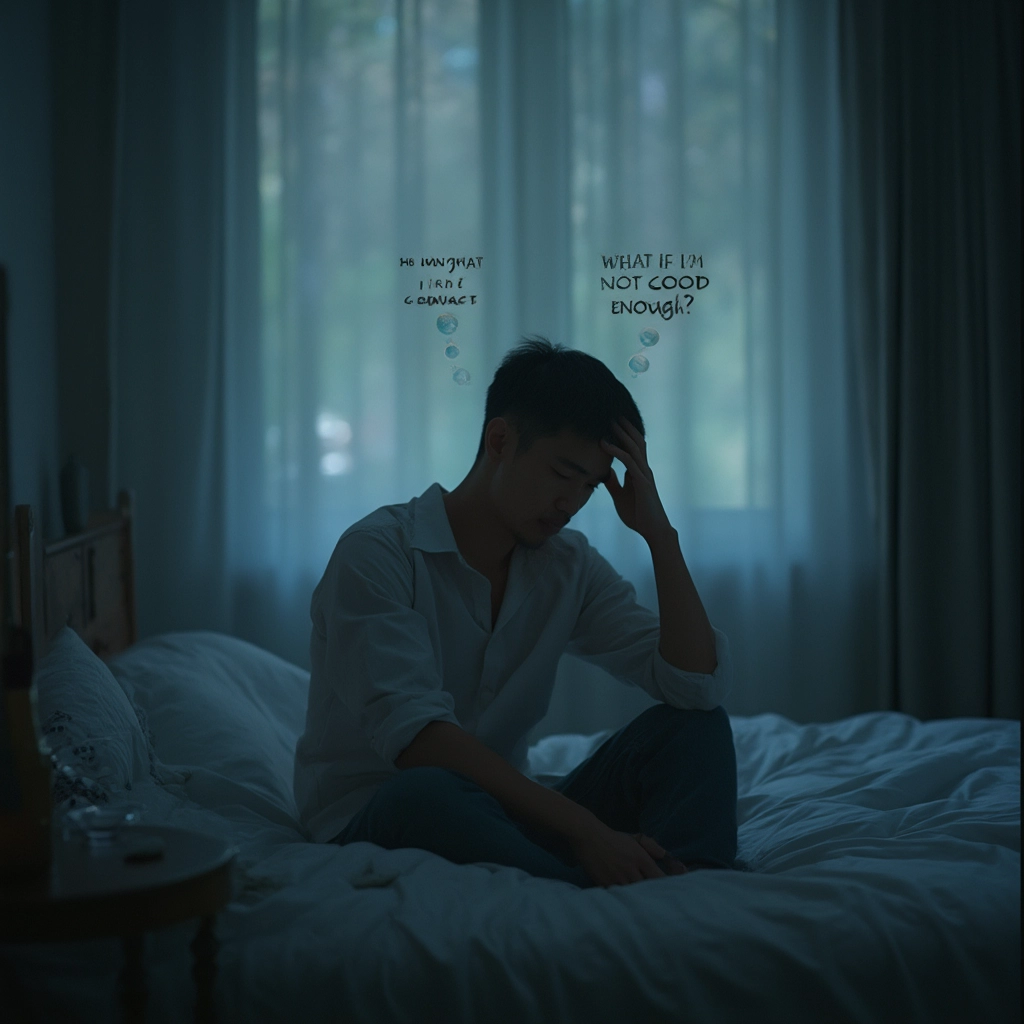
For high-achievers, anxiety often looks like:
- Overthinking everything
- Difficulty relaxing
- Constantly feeling on edge
- Racing thoughts
- Perfectionism
- Trouble sleeping
- Irritability
- Feeling like you can never fully slow down
- Always expecting something to go wrong
- Constantly feeling pressure to do more
You may even tell yourself:
- “I just need to get through this week.”
- “Once things calm down, I’ll be okay.”
- “I should be able to handle this.”
But the pressure never really stops.
And after a while, anxiety starts affecting:
- Your focus
- Your confidence
- Your sleep
- Your relationships
- Your emotional wellbeing
- Your ability to actually enjoy your life
Your Mind Never Gets a Break
You’re always thinking.
Always planning.
Always trying to stay ahead.
Even when you’re resting, your mind keeps going.
You replay conversations.
Overthink decisions.
Worry about what could go wrong.
Feel pressure to keep performing, producing, and holding everything together.
On the outside, you may look calm and successful.
But internally?
You feel overwhelmed, mentally exhausted, emotionally drained, and stuck in a constant state of pressure.

Anxiety Therapy for Professionals Living Under Constant Pressure
At Modern Intervention Strategies, we help overwhelmed high-achievers understand the anxiety, pressure, and emotional exhaustion they’ve been carrying for too long.
This isn’t about taking away your ambition.
It’s about helping you feel calm without constantly living in survival mode.
Through anxiety therapy, emotional wellness support, CBT, mindfulness, and trauma-informed care, we help you:

Feel Calmer
Quiet the racing thoughts reduce overwhelm.
Sleep Better
Relax your mind and restore your energy.
Build Confidence
Trust yourself and stop second-guessing every decision.
Regain Control
Feel present, focused, and in charge of your life again.
Imagine Feeling:
- Calmer
- Clearer
- More balanced
- Emotionally grounded
- More in control of your life again
Types of Anxiety Disorders and Symptoms
Anxiety shows up in different ways, and knowing which type you’re dealing with makes a difference. Here’s a quick breakdown:
Generalized Anxiety Disorder (GAD)
Ongoing, excessive worry about everyday things, work, health, finances. It feels like there’s always something to stress over.
Social Anxiety Disorder
Intense fear of social situations, often leading to avoidance. The thought of public speaking or even small talk can be paralyzing.
Panic Disorder
Sudden, intense episodes of fear or discomfort, often mistaken for a heart attack. Panic attacks can feel like losing control.
Postpartum Anxiety
Anxiety that emerges after childbirth. It’s more than just “baby blues”, it’s persistent worry that something bad will happen to the baby.
Mixed Anxiety and Depressive Disorder
A blend of anxiety and depression symptoms, creating a constant state of unease and low mood.
Specific Phobias
Intense fear of specific objects or situations, like heights, flying, or spiders. These can trigger anxiety or even panic attacks.
Obsessive-Compulsive Disorder (OCD)
Repetitive, intrusive thoughts (obsessions) and behaviors (compulsions) aimed at reducing anxiety.
Panic Attack vs. Anxiety Attack
Panic attacks are sudden and intense; anxiety attacks build up gradually, but both can be overwhelming.
You Don’t Have to Keep Living in Survival Mode
You can be ambitious without feeling overwhelmed.
Virtual therapy for professionals throughout New Jersey, Pennsylvania & Delaware
You don’t have to keep carrying this by yourself.
When and how to look for therapy for anxiety
Recognizing when anxiety is too much to handle alone is crucial. Here’s how you know it’s time to get help and where to find it:
Signs You Need Help:
- Anxiety interferes with daily life: work, relationships, sleep.
- You feel out of control, overwhelmed, or constantly on edge.
- Physical symptoms like chest pain, headaches, or stomach issues are frequent.
- Avoiding situations or places due to anxiety.
How to Get Help:
- Anxiety Hotline: Immediate support when anxiety spikes. Talking can help calm intense feelings.
- Online Support Groups: Connect with others facing similar struggles. You’re not alone in this.
- Getting an Anxiety Diagnosis: A professional can assess your symptoms and guide you toward the right treatment plan, whether that’s therapy, medication, or both.
Seeking help isn't a sign of weakness; it’s a step toward taking back control. Explore more about finding the right support for your anxiety.
Explore More About Anxiety Treatments, Tips and Guides
- Interested in medication? Learn about different anxiety medications, from non-addictive options to over-the-counter choices and even the best antidepressants for sleep and anxiety.
- Thinking about natural methods? Check out guides on the best natural therapy for anxiety, strongest natural anxiety medication, and how to manage anxiety without relying on drugs.
- Want to understand therapy options? Find out more about CBT for social anxiety and other therapeutic approaches tailored for specific anxiety types.
- Looking for practical tools? Discover anxiety tools and worksheets that can help you develop coping skills and reduce anxiety in your daily life.